Synthetic Landscapes
Contemporary art exhibition
- Role
- Project Management, Design and Site Build
- Location
- Weston Park, Shropshire
- With
- Meadow Arts
- Date
- Summer 2017
We project managed, designed and site built for a Meadow Arts contemporary art exhibition where radically different visions of man-made landscape collide
Meadow Arts bring unique contemporary art projects to places where art is not usually shown, supporting artists by commissioning new work and creating inspiring events and exhibitions for new audiences.
Renowned contemporary artists were invited to explore Weston Park and its history, responding to Capability Brown's grand landscape and James Paine's architecture with newly commissioned work and a group exhibition.
The joy of working for amazing cultural organisations and doing site specific projects is you never know quite what to expect.
It's not just about having the right skills to do the job, but you often have to think outside the box, understand the environment you are working in, and given that the work may well be in a location of heritage or protected status, you need to be sympathetic to the materials and buildings around you.
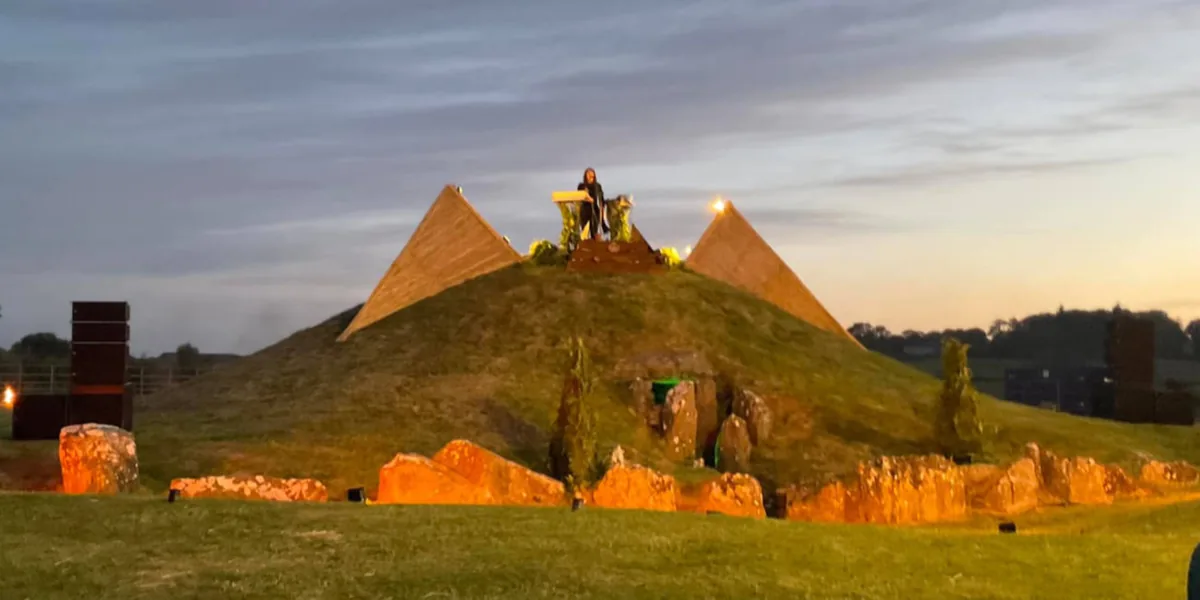
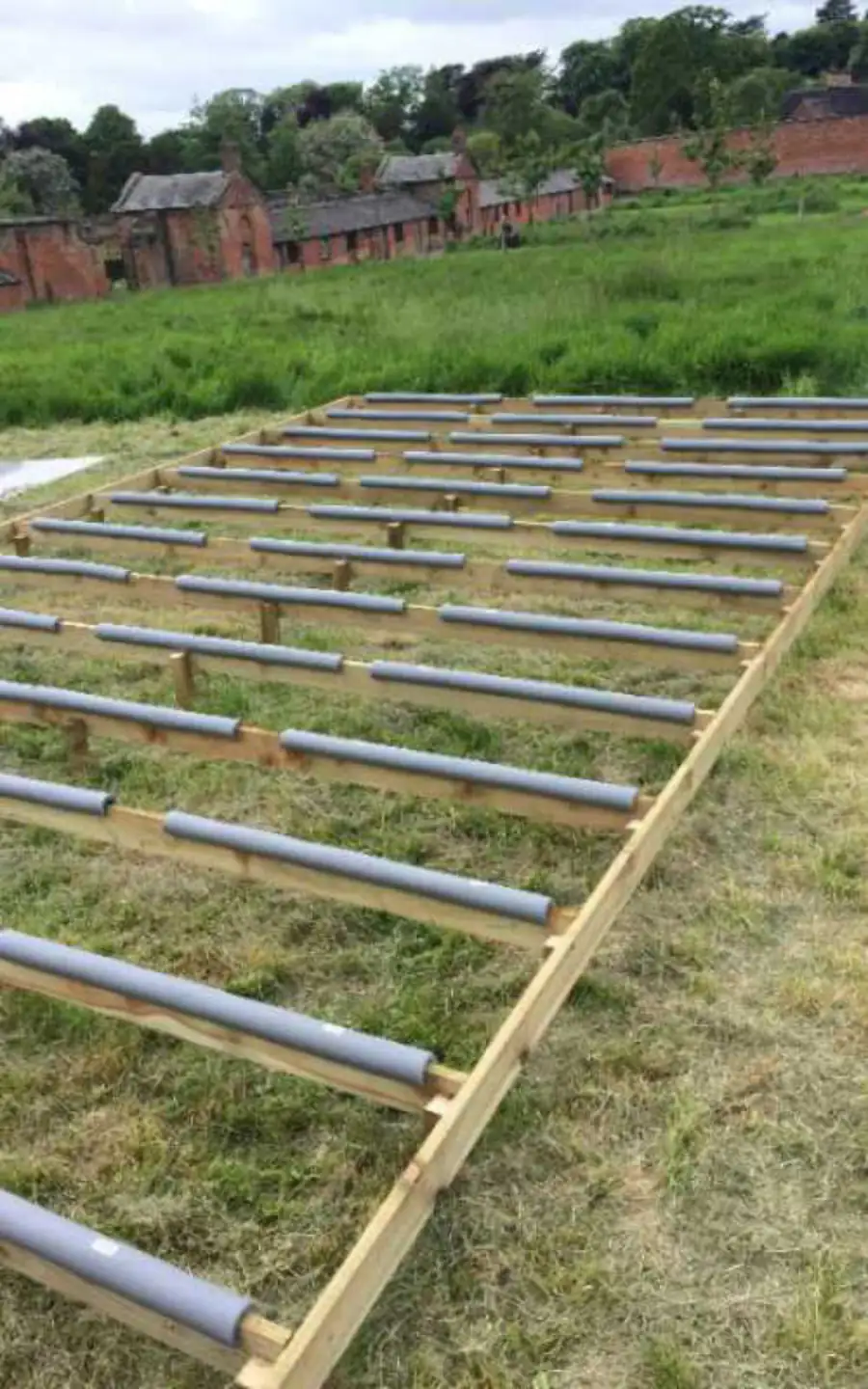
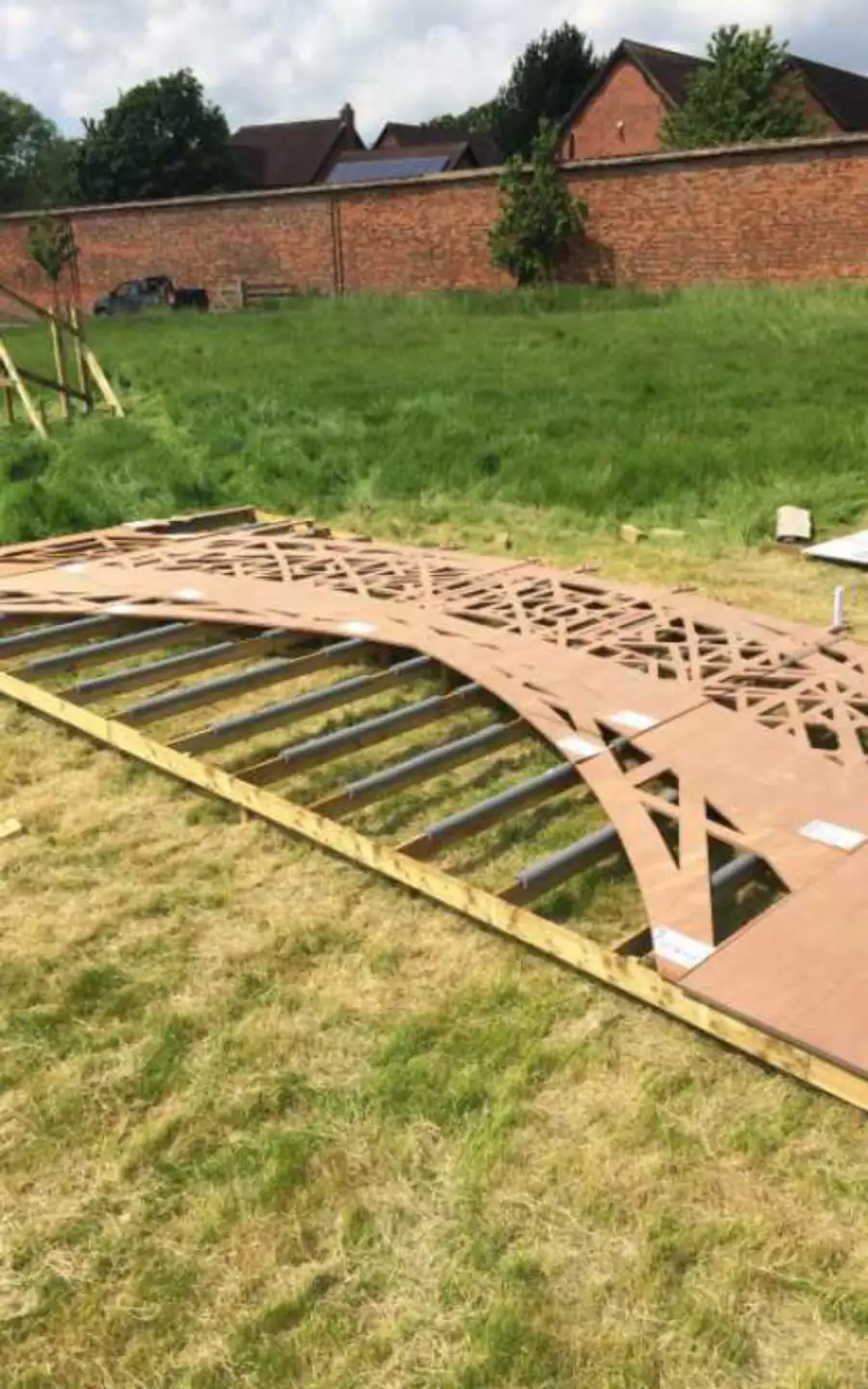
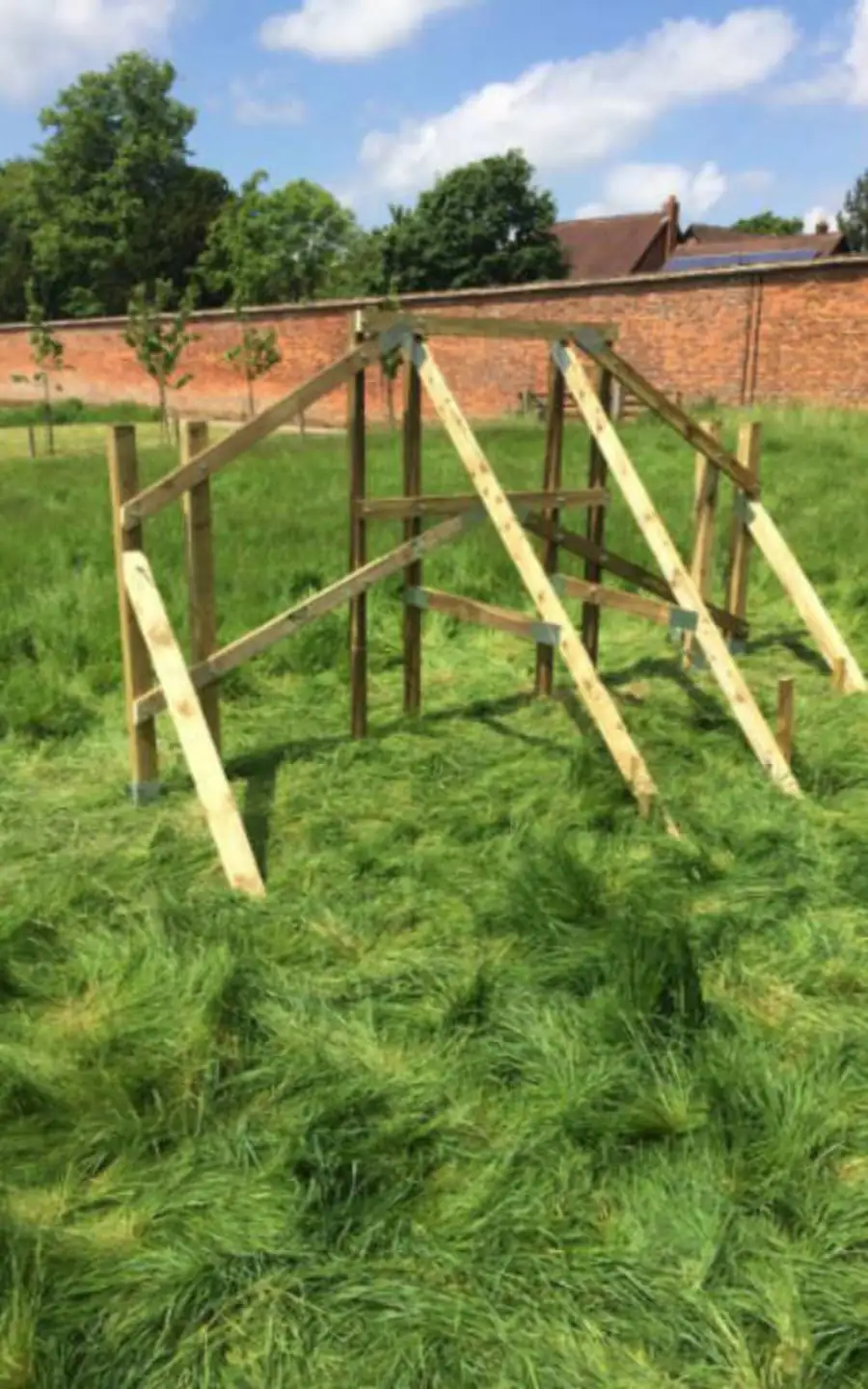
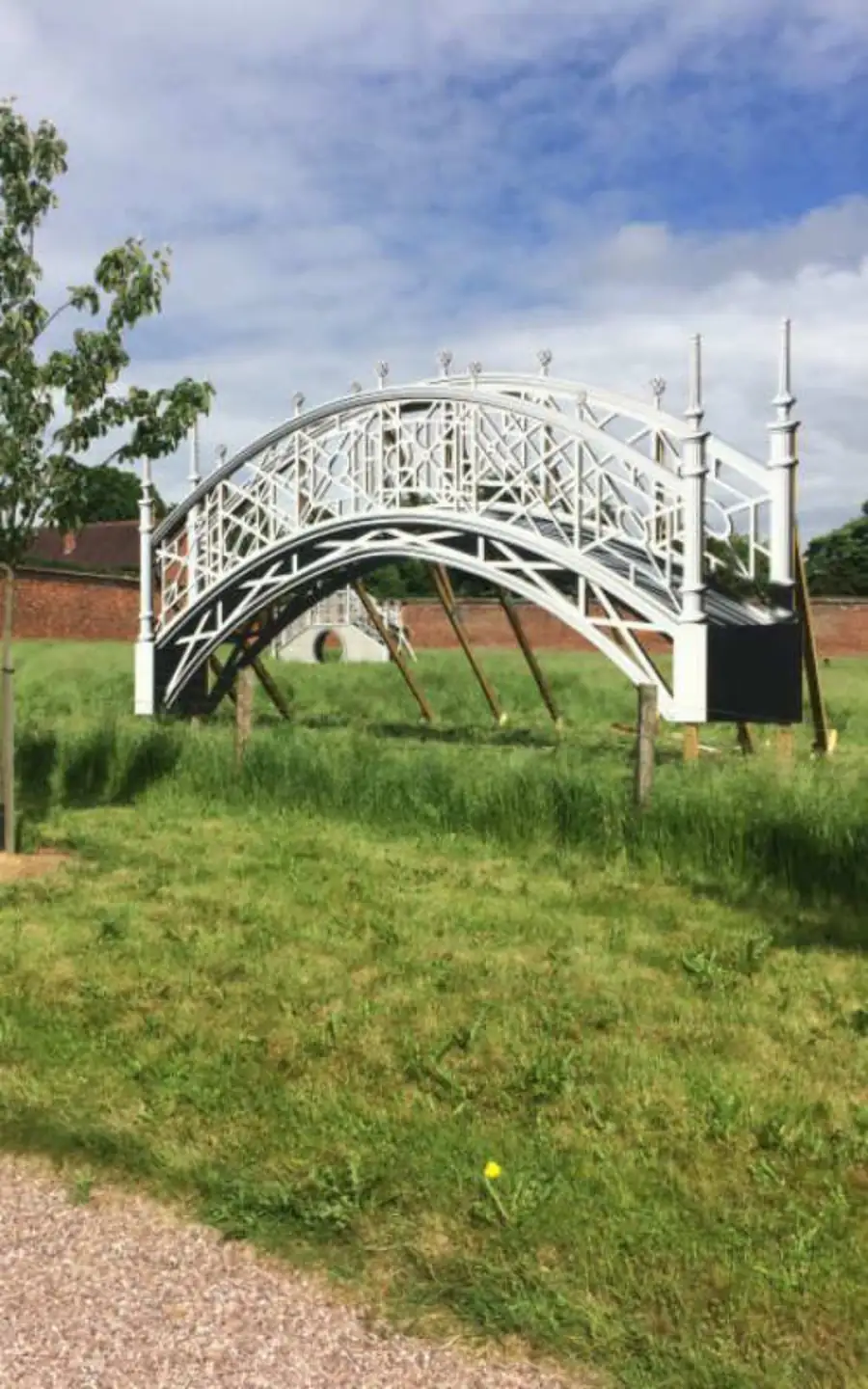
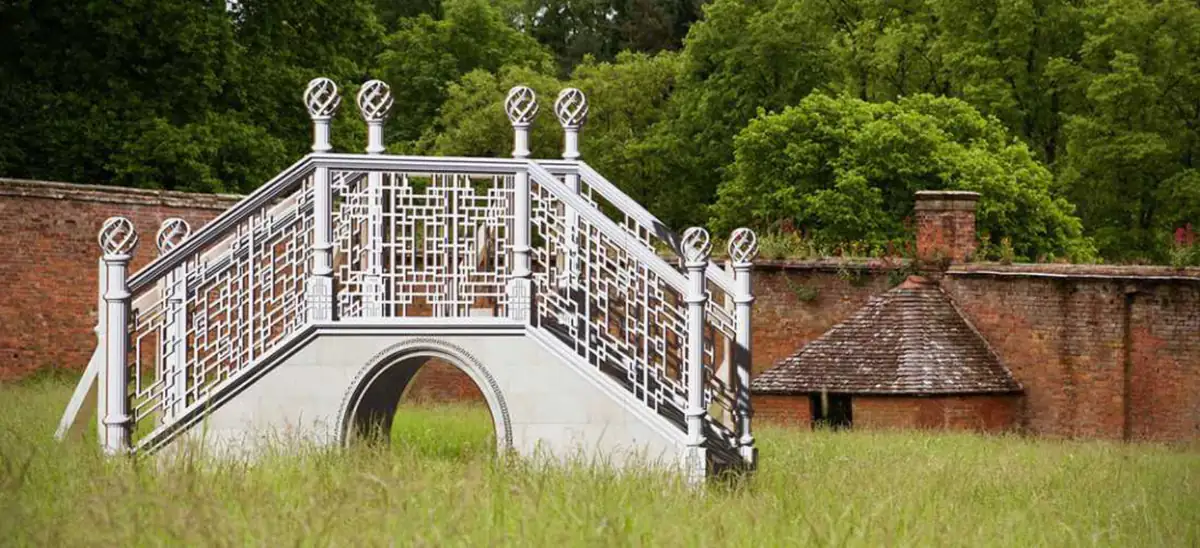
We were set a challenge of designing and building a framework that would display artwork called 'Chinese Bridges in Landscape' by Pablo Bronstein.
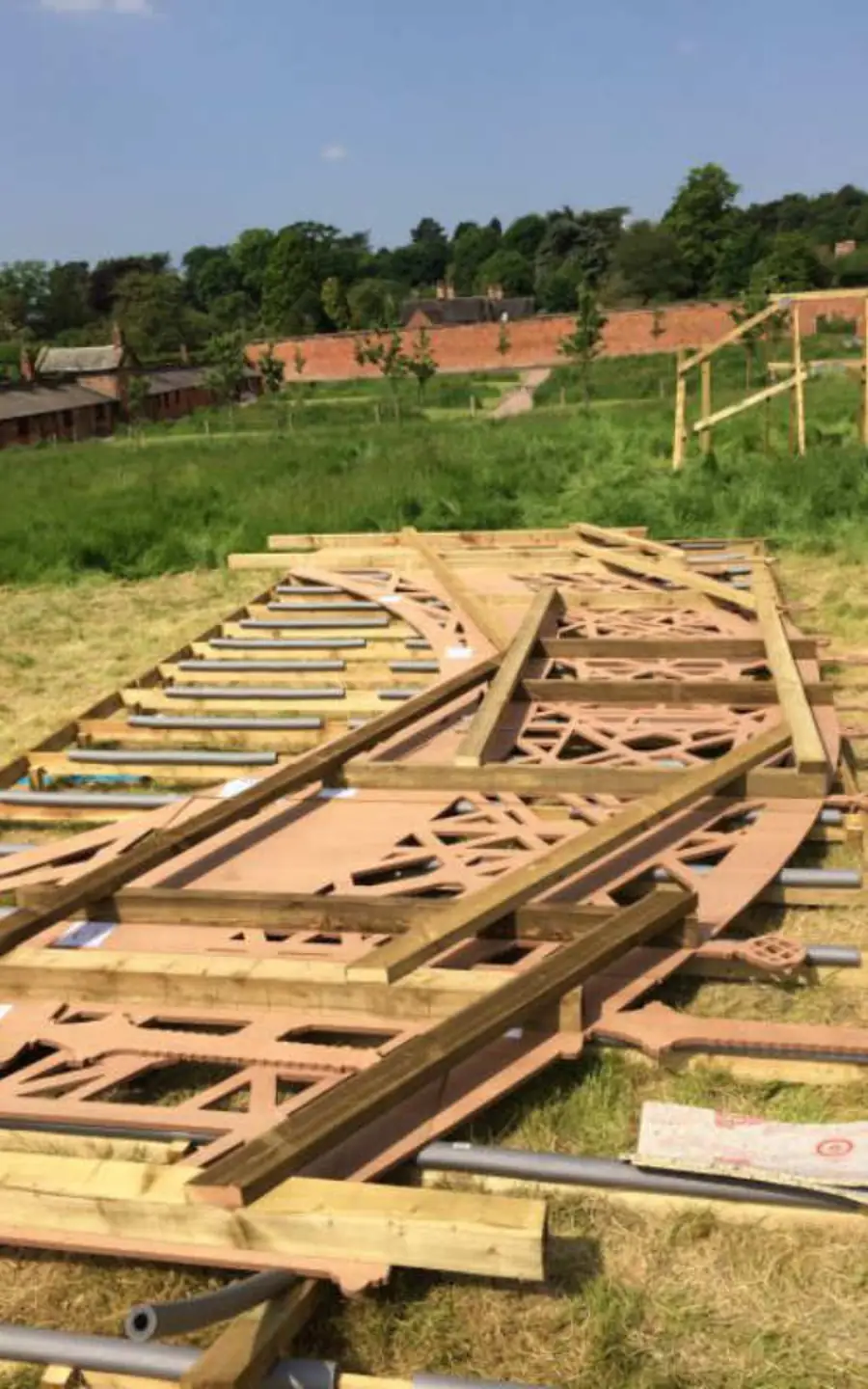
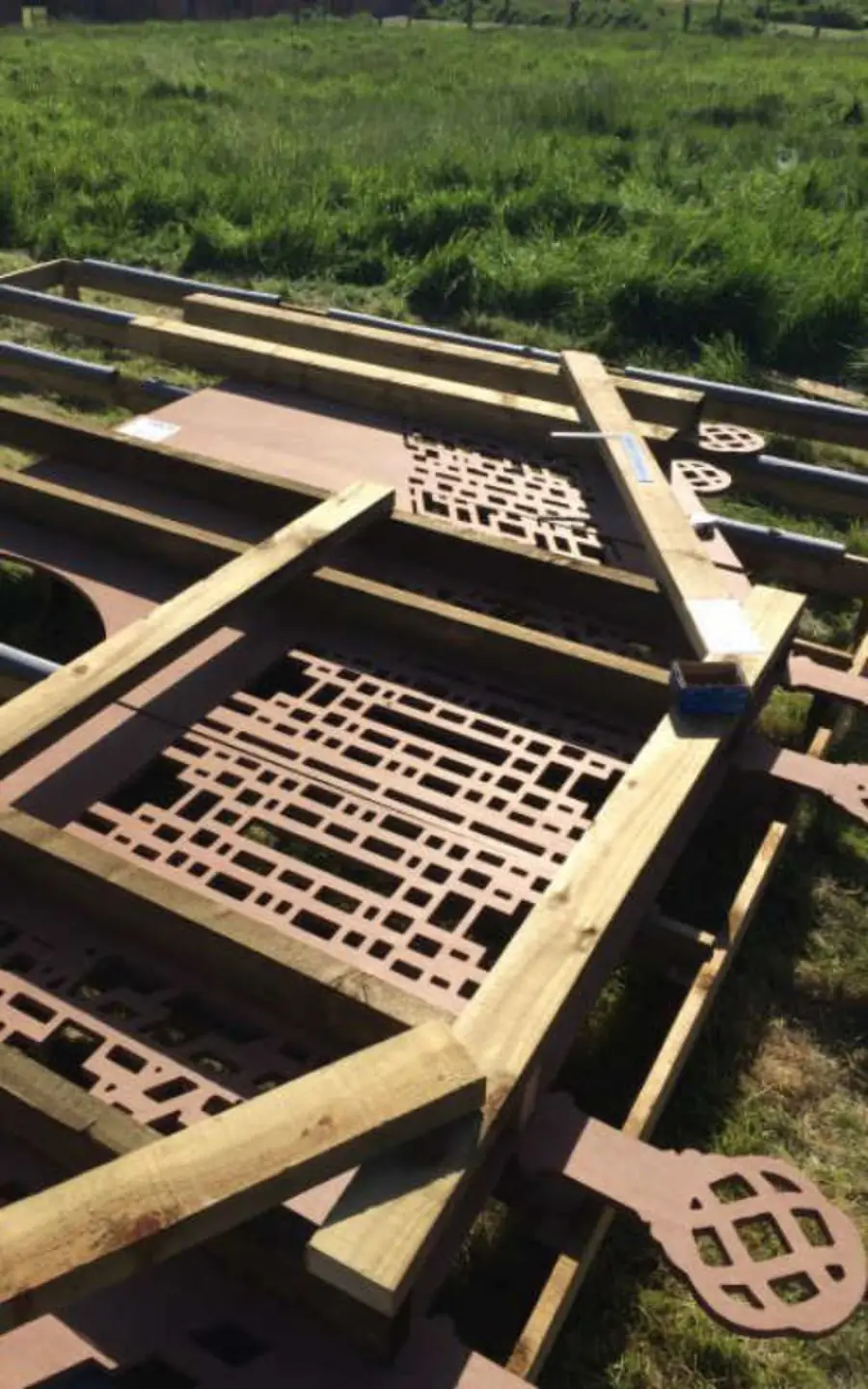
The artist was going to produce two pieces, which were to be printed on to sections of marine ply, and then laser cut.
Our task was to work out how to assemble the artwork on to a framework that would be up for 3 months, which did not distract you from the illusion, but also became apparent that it was a flat billboard as you got closer.
We produced a 3D sketch of the design so that the artist could see what it would look like, and how the two bridges worked together, and which gave us an idea of the positioning of them with sight lines.
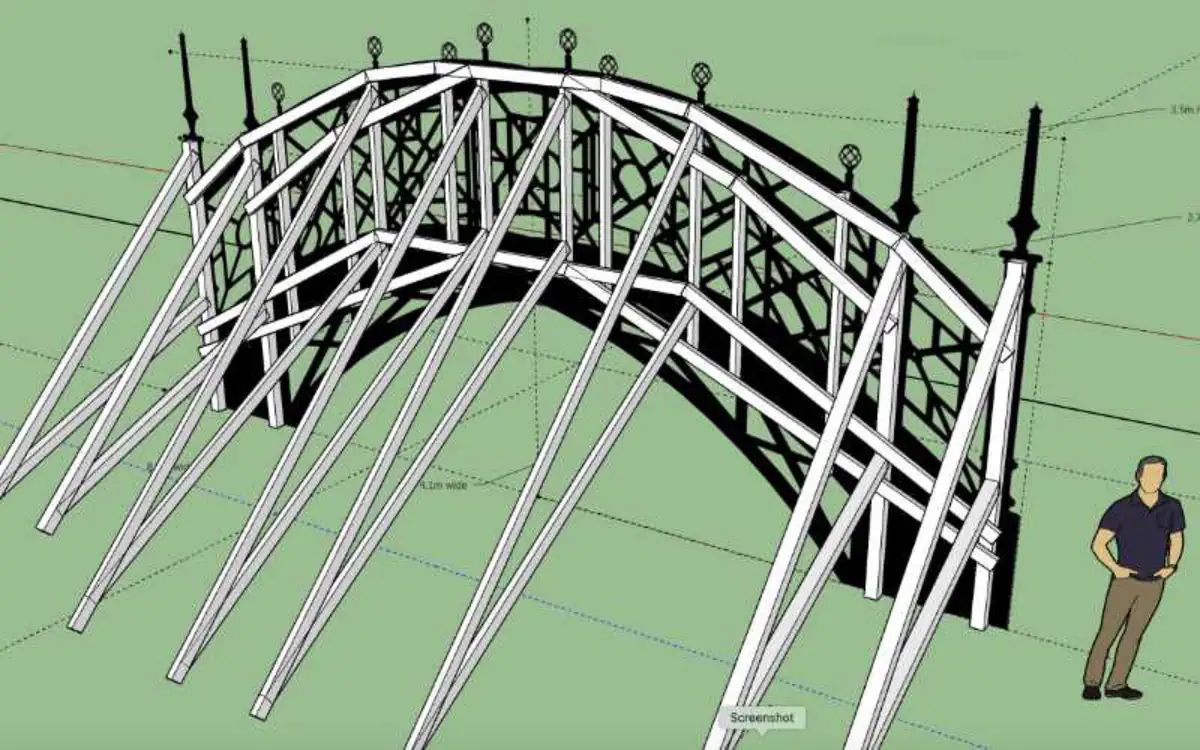
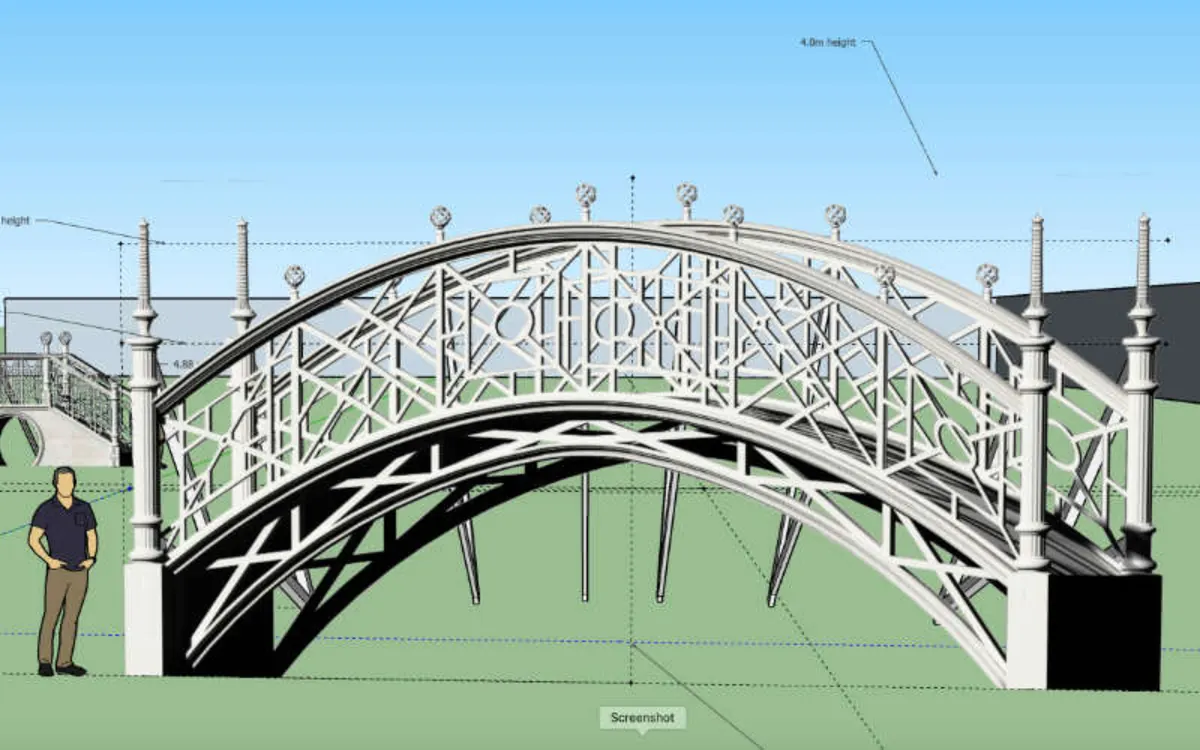
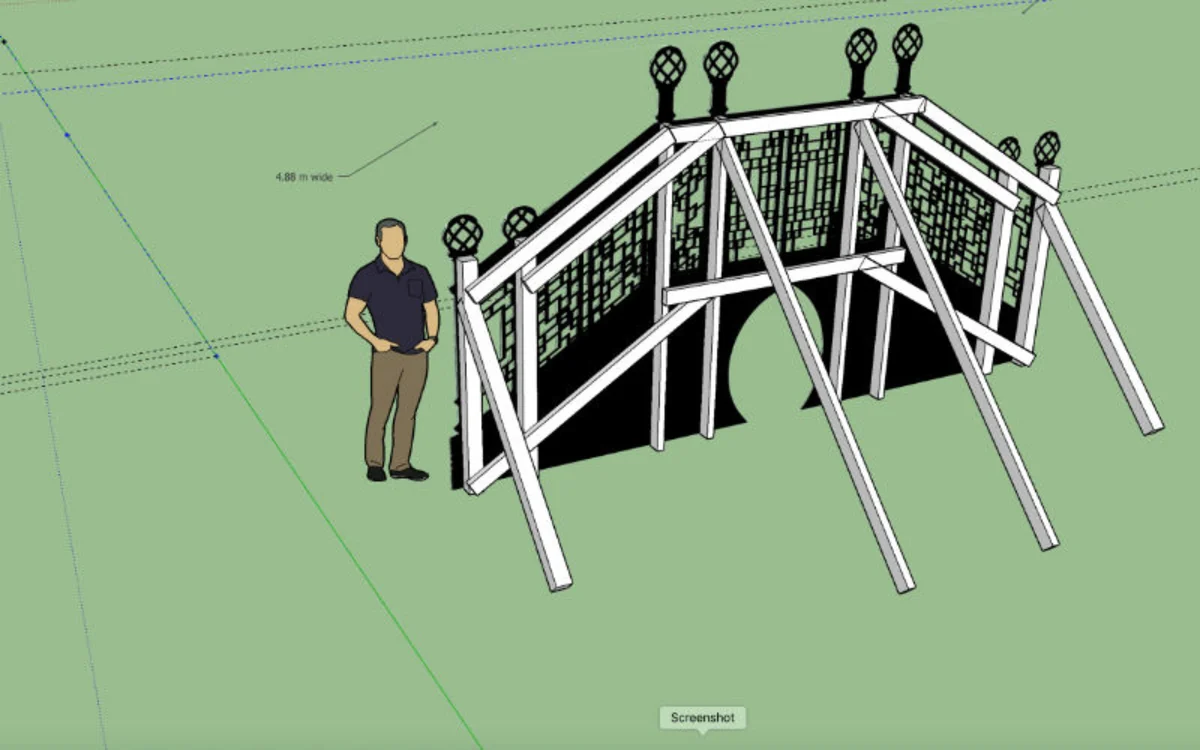
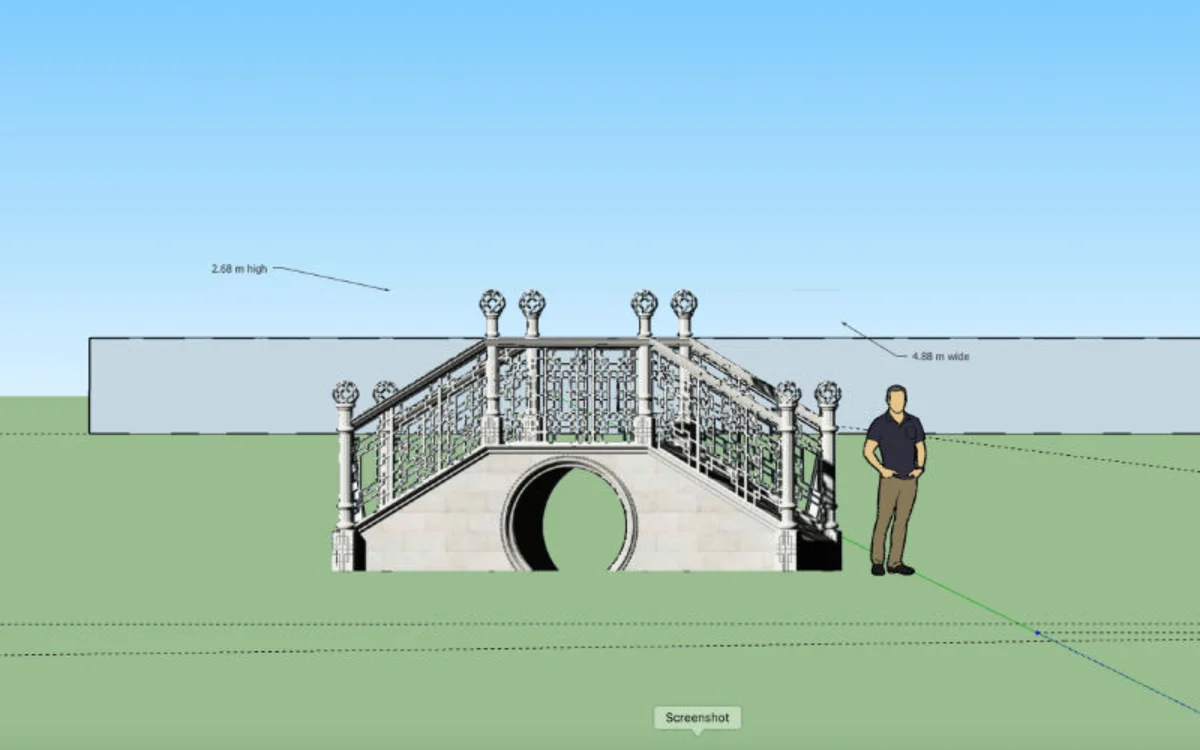
Because we would not get to see the artwork until it arrived, we needed to build a workbench on site so we could lay the pieces down and line up the framework properly.
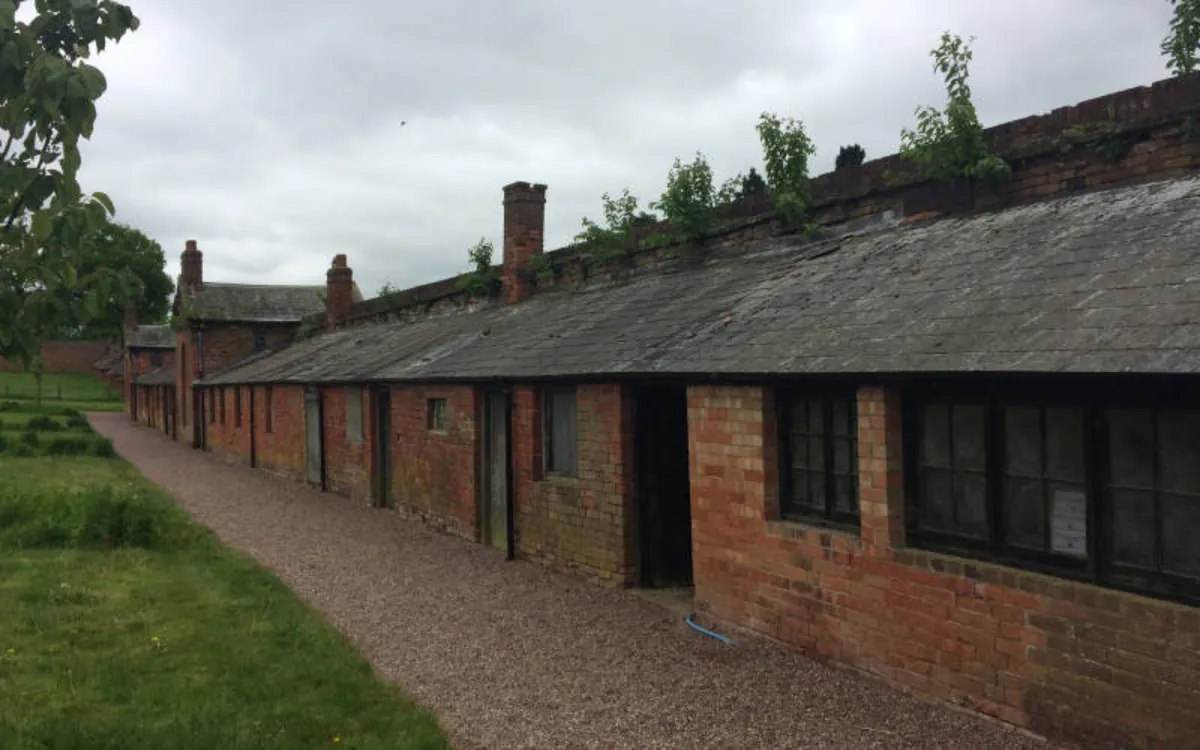
Another part of this project, with special permission, was to open the old bothies to the public for the first time, where artists were going to install works. A bothy was a term for basic accommodation, usually for gardeners or other workers on an estate.
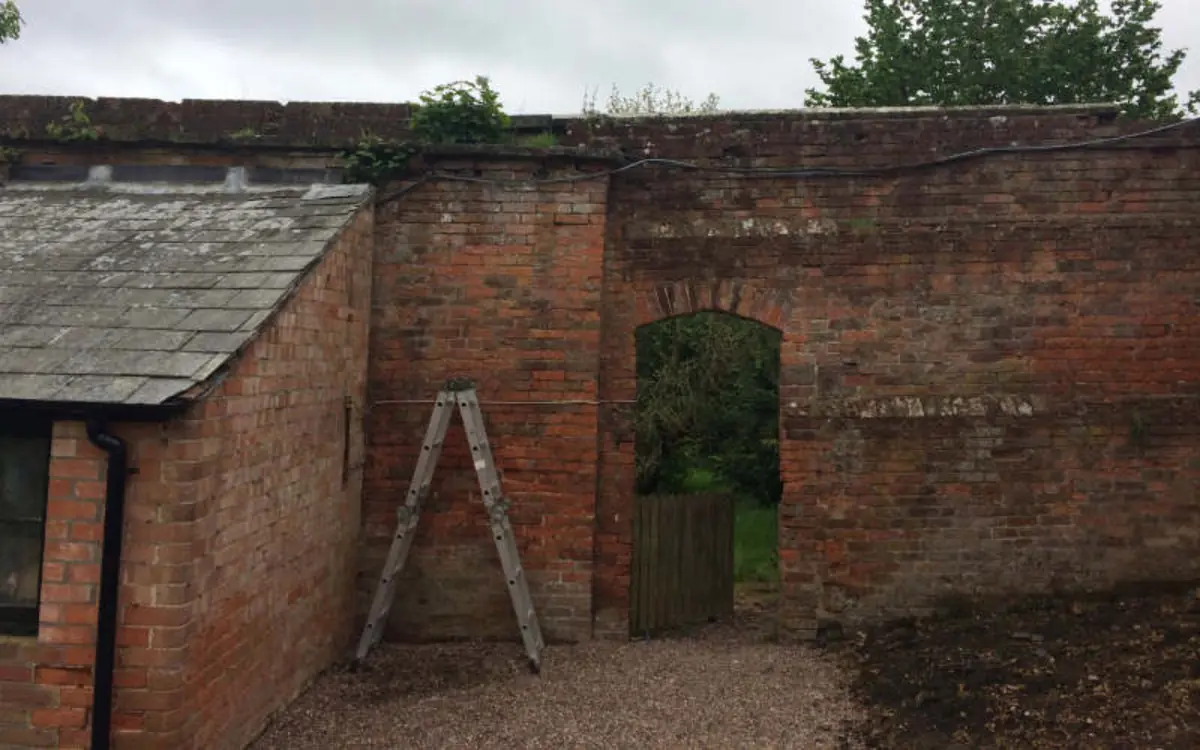
The wealth of the estate back in it's time is hard to comprehend. The wall of the garden was double lined, where furnace rooms were built to heat the wall up in order to keep the pineapple house warm on the other side!
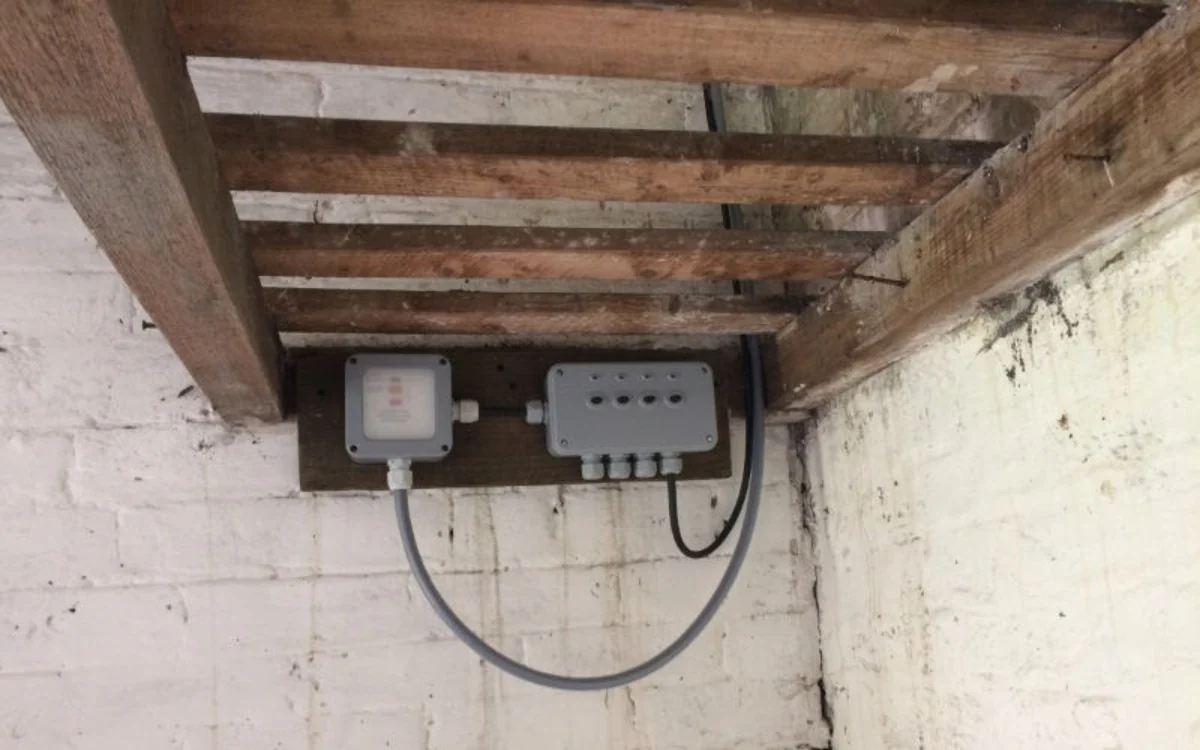
The remit was to provide power to these buildings, which would have artworks installed for 3 months, but also to make the space appear as undisturbed as when we first found them.
This required negotiating between cobwebs and bat droppings, leaky roof and walls, and platters of crumbling plaster all around. It had to be safe, so using waterproof IP65 sockets and switches. Also, the space was going to be managed by the estate staff, so had to be simple to shut down and switch back on each day without failure.
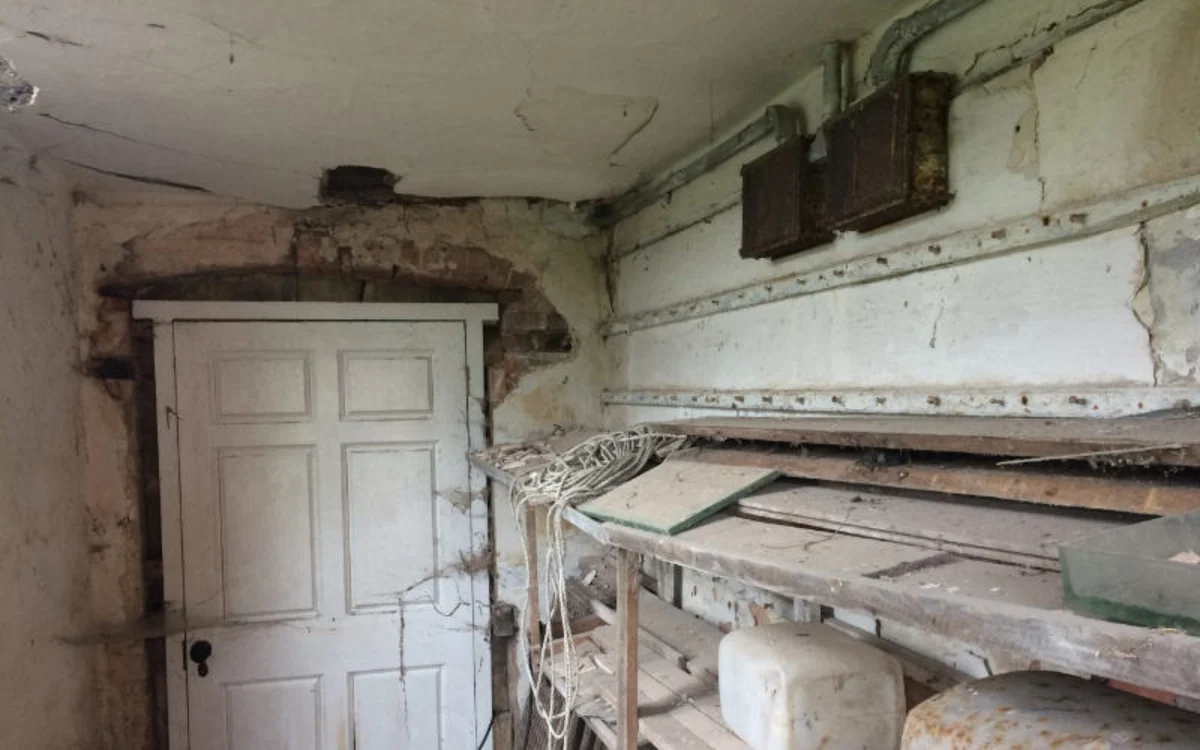
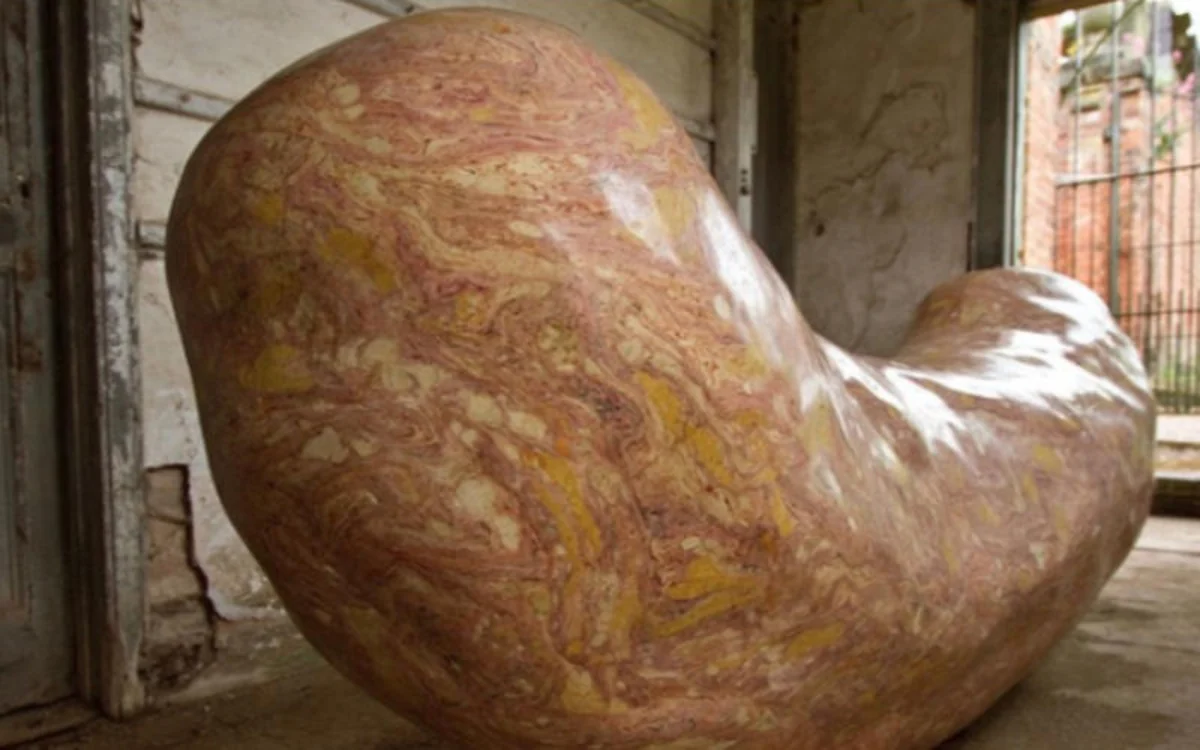
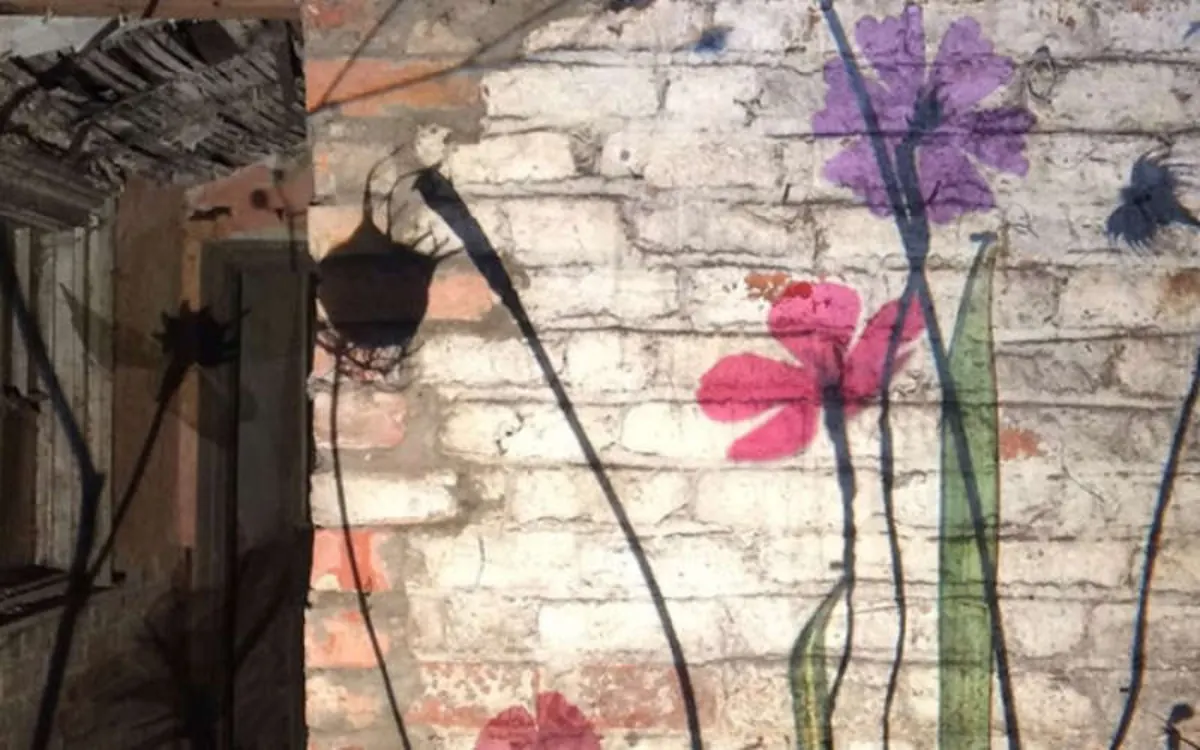
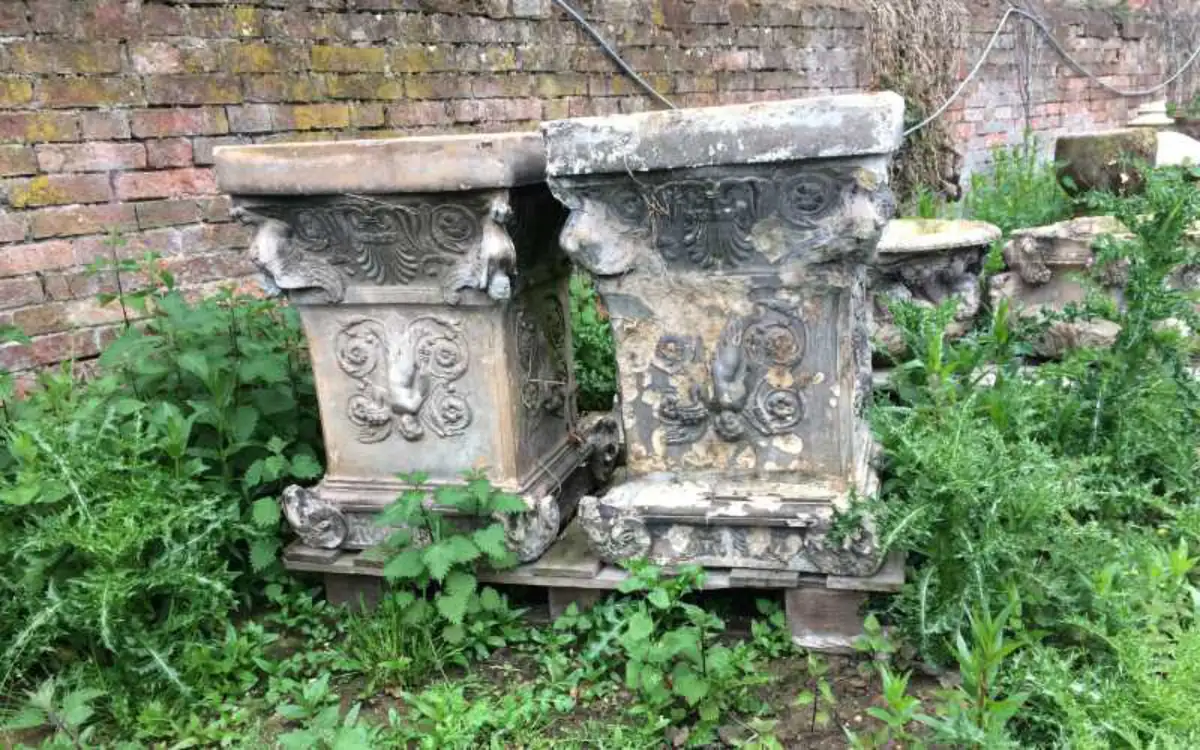
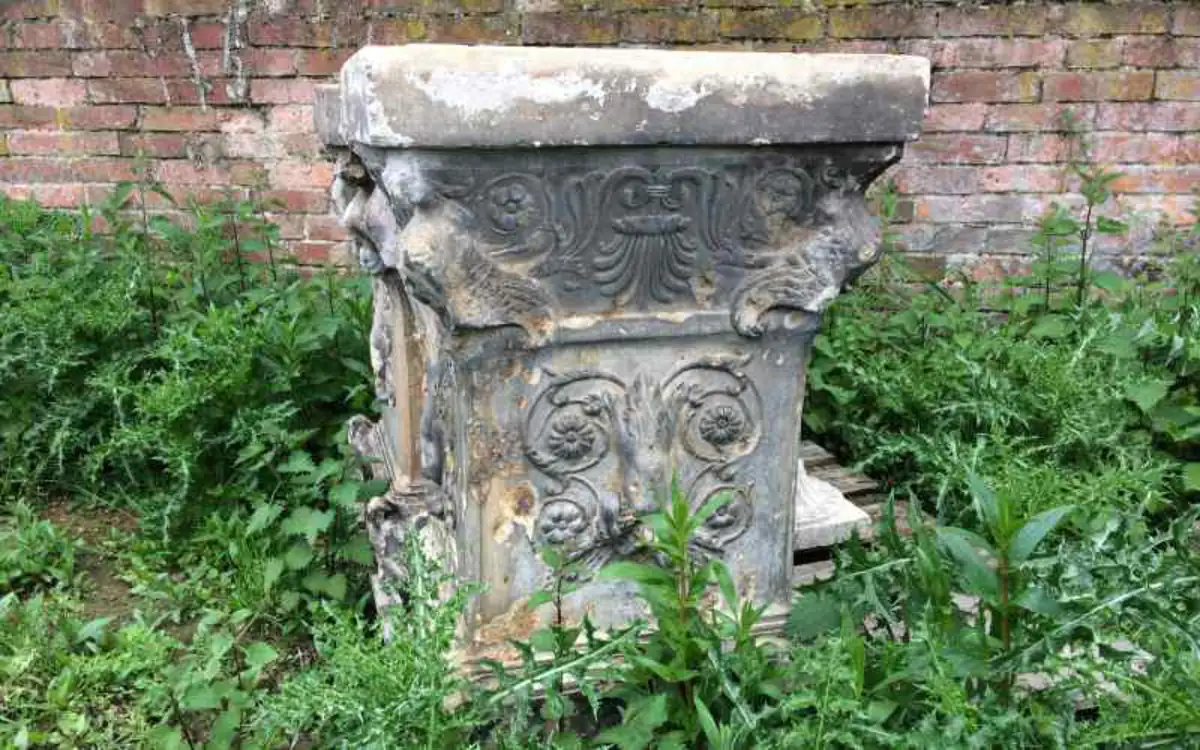
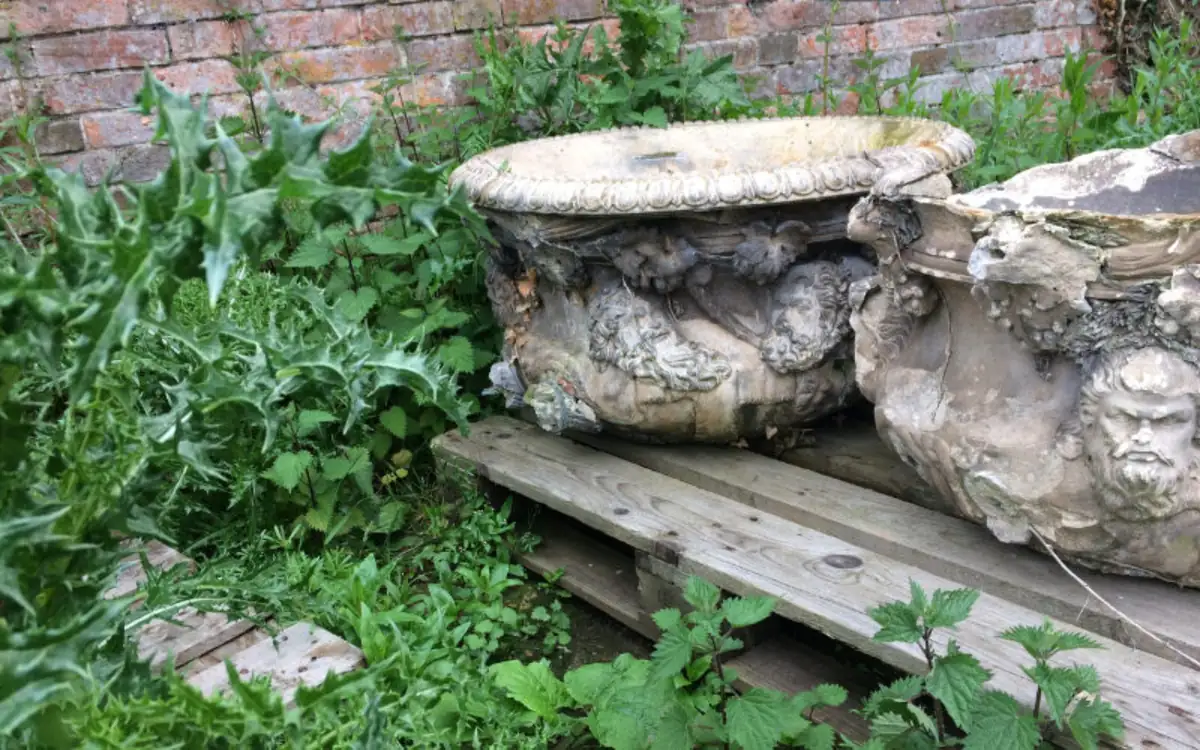
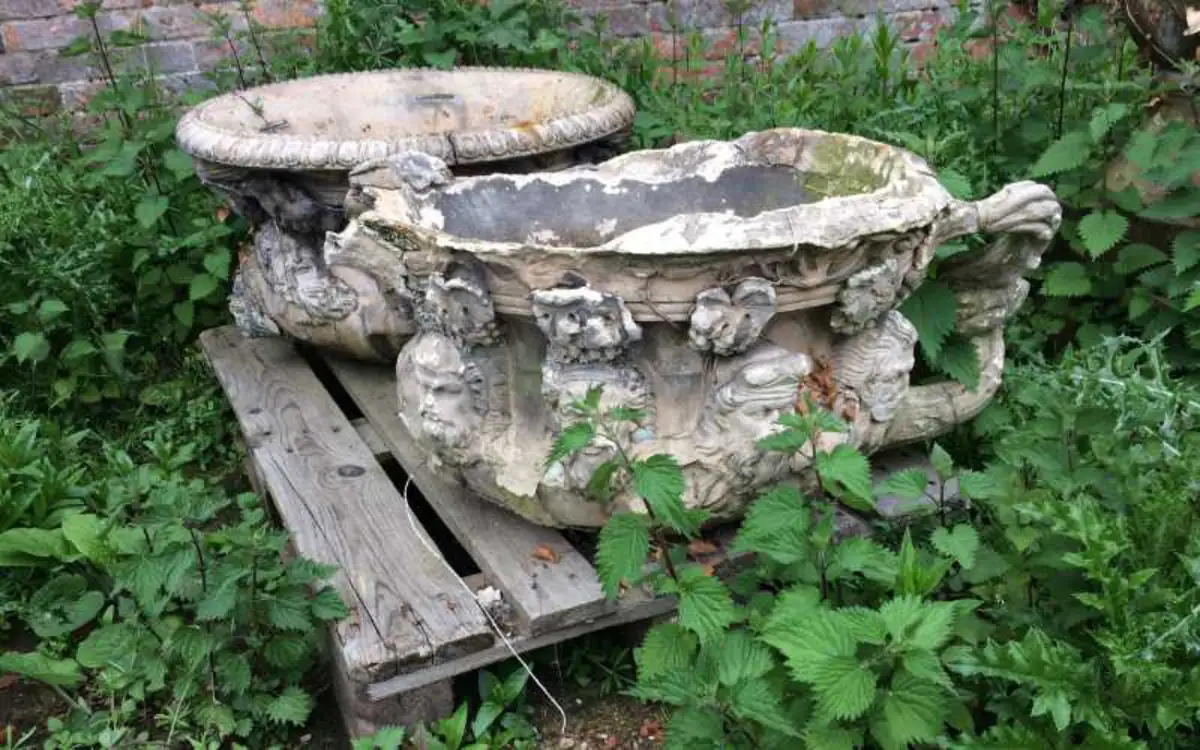
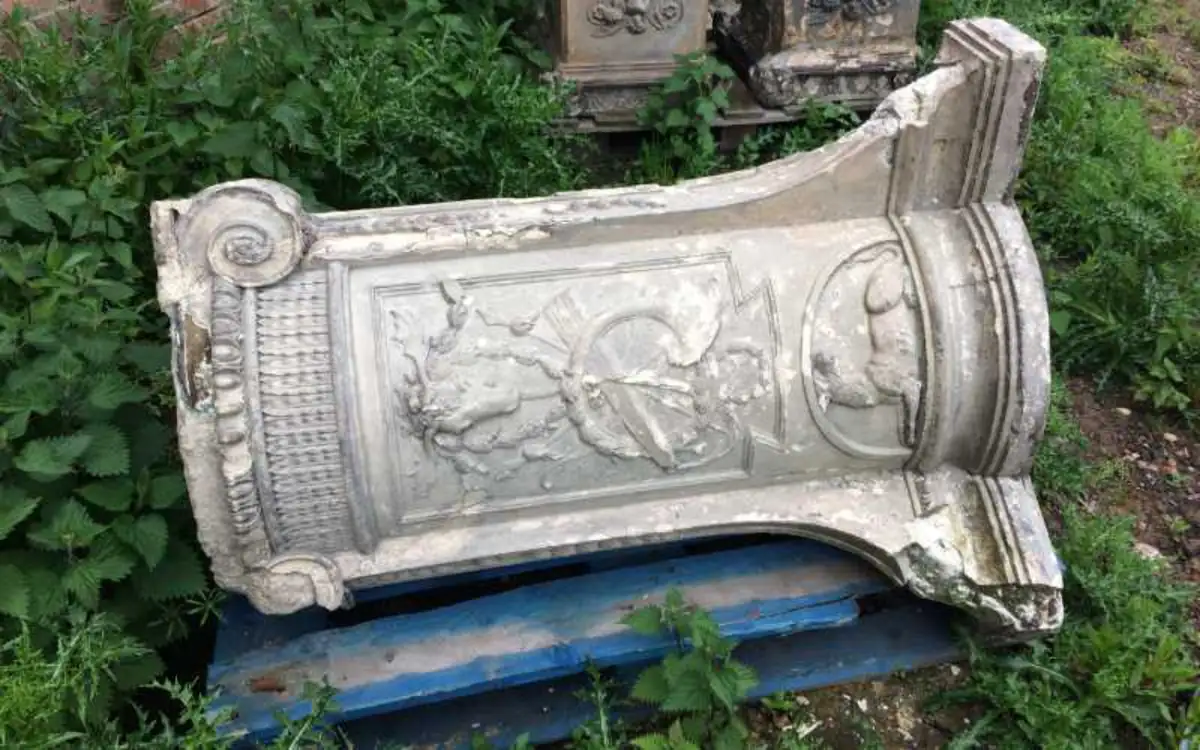
It was such a privilege to have behind the scenes access to protected spaces like this, and during the course we came across exquisite works of art that had been put aside until maybe a time funds would be available to restore and repair.
Exhibition Artists
Salvatore Arancio, Ryan Gander, Pablo Bronstein, Julian Opie, Jasleen Kaur, Helen Maurer, Heather and Ivan Morison, Hélène Muheim, Ged Quinn, Edward Chell, David Bethell, Dafna Talmor, Alex Hartley.